
Introduction
Cameroon occupies a pivotal position in Central Africa's economic landscape. As the region's gateway to global trade, the country processes approximately 95% of cargo destined for landlocked neighbors like Chad and the Central African Republic. The Port of Douala alone handles over 95% of Cameroon's maritime traffic, serving as the primary commercial artery for the entire CEMAC region.
Yet despite this strategic importance, businesses operating in Cameroon face significant logistics challenges that can dramatically impact operational efficiency, costs, and competitiveness. In this comprehensive analysis, we examine the five most pressing logistics challenges confronting businesses in Cameroon and provide actionable strategies for overcoming each obstacle.
Challenge #1: Road Infrastructure Limitations
The Current Reality
Cameroon's road network presents one of the most significant obstacles to efficient logistics operations. According to official data, the country has approximately 50,000 km of roads, but only about 10% (approximately 10,000 km) are paved.
Key infrastructure statistics:
- Total road network: ~50,000 km
- Paved roads: ~10,000 km (approximately 20%)
- Unpaved roads: ~40,000 km (approximately 80%)
- Major toll highways connect Douala-Yaoundé and other key cities
Strategic Solutions
- Route Optimization and Planning - Conduct thorough route assessments before committing to delivery schedules
- Fleet Diversification - Maintain a mixed fleet capable of handling varied road conditions
- Seasonal Planning - Adjust inventory levels to account for seasonal accessibility changes
- Technology Integration - Implement GPS tracking to monitor real-time road conditions
Challenge #2: Port Congestion and Processing Delays
Understanding the Port Ecosystem
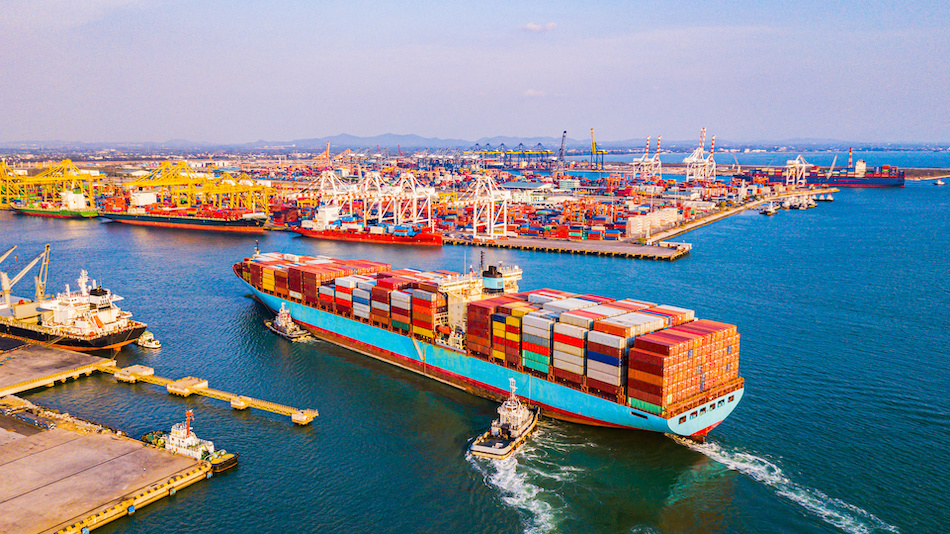
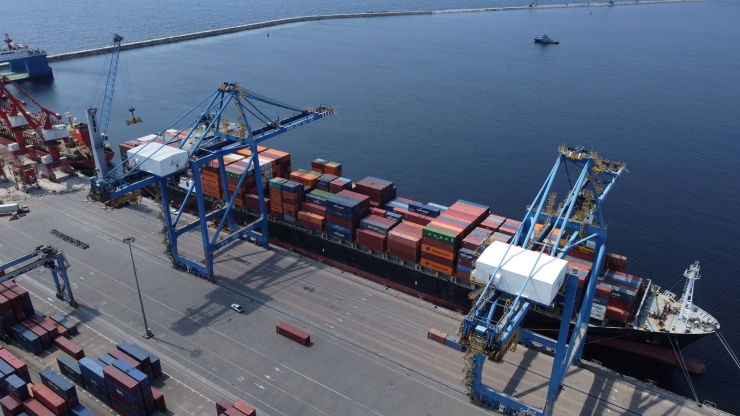
The Port of Douala (Port Autonome de Douala - PAD) is the primary maritime gateway for Cameroon and serves as a critical transit point for landlocked Central African nations. It handles over 95% of Cameroon's maritime trade, processing approximately 11-12 million tons of cargo annually.
Common Delay Factors
- Vessel Queuing: Limited berth availability means vessels may wait at anchor before unloading
- Documentation Issues: Incomplete or incorrect paperwork can trigger holds
- Customs Processing: Inspections and clearance procedures add time
- Storage Limitations: Congested yards can slow container movement
- Equipment Availability: Limited crane and handling equipment can create bottlenecks
Strategic Solutions
- Pre-Arrival Documentation: Submit all customs documentation well before vessel arrival
- Customs Broker Relationships: Work with experienced, licensed customs brokers
- Port Selection Strategy: Evaluate whether Kribi Deep Water Port may offer advantages
- Container Tracking: Implement tracking systems to monitor container status in real-time
- Demurrage Management: Understand demurrage and detention terms in shipping contracts
Challenge #3: Complex Customs Procedures and Regulatory Environment
The Regulatory Landscape
Cameroon's customs system operates under the CEMAC Customs Code, which harmonizes procedures across the six-member Central African economic community.
Key regulatory bodies and systems:
- Direction Générale des Douanes (DGD): The national customs authority
- GUCE (Guichet Unique du Commerce Extérieur): Single window for foreign trade
- SGS/Bureau Veritas: Pre-shipment inspection services
- MINCOMMERCE: Ministry of Commerce oversight
Strategic Solutions
- Documentation Excellence: Develop standardized documentation procedures and checklists
- Pre-Shipment Verification: Verify all licensing and permit requirements before shipping
- Customs Valuation Preparedness: Maintain proper documentation supporting declared values
- Regulatory Monitoring: Stay informed of regulatory changes through official channels
- Leverage the Single Window (GUCE): Use the electronic single window system
Challenge #4: Limited Warehousing and Storage Infrastructure
The Storage Landscape
Cameroon's warehousing infrastructure has struggled to keep pace with trade growth. While major cities like Douala and Yaoundé have commercial warehouse facilities, availability can be limited, and quality varies significantly.
Strategic Solutions
- Early Planning and Booking: Secure warehouse space well in advance of need
- Optimized Inventory Management: Implement just-in-time practices where feasible
- Multi-Location Strategy: Evaluate regional storage options in secondary cities
- Cold Chain Solutions: For temperature-sensitive goods, verify cold chain capabilities
- Technology Integration: Implement warehouse management systems (WMS)
Challenge #5: Multimodal Coordination Complexity
The Multimodal Reality
Efficient logistics in Cameroon often requires coordinating multiple transportation modes:
- Maritime: Ocean freight to Port of Douala or Kribi
- Port Operations: Discharge, customs clearance, storage
- Road Transport: Trucking to inland destinations
- Rail: Optional rail transport on the Camrail network
- Last Mile: Final delivery to end customers
Strategic Solutions
- End-to-End Planning: Design logistics flows with all modes in mind
- Single Point of Accountability: Use a logistics provider who can coordinate across all modes
- Documentation Flow Management: Ensure documents move with or ahead of cargo
- Technology for Visibility: Implement tracking across all modes
- Partner Network Development: Build relationships with reliable operators
The Path Forward: Building Resilient Supply Chains
Emerging Improvements
Despite current challenges, Cameroon's logistics landscape is evolving:
- Infrastructure Investments: Kribi Deep Water Port expansion, road rehabilitation projects
- Regulatory Modernization: Expansion of the GUCE single window system
- Private Sector Development: New warehouse developments in key logistics zones
Conclusion
Cameroon's logistics challenges are real and significant, but they are not insurmountable. Businesses that approach these obstacles with thorough preparation, strategic thinking, and the right partners can build efficient, resilient supply chains that support their growth objectives.
Ready to Optimize Your Cameroon Logistics Operations?
Contact Rayyan Consulting today to discuss how we can help you overcome logistics challenges and build a more efficient supply chain.
- Phone: +237 699 160 085 / +237 672 092 124
- Email: info@rayyanconsulting.com